Call us now :07971190754
 Send Inquiry
 Send Inquiry
Chemical Transfer Corrugated Hose
Price 780.0 INR/ Piece
MOQ : 100 Pieces
Chemical Transfer Corrugated Hose Specification
- Cover
- Abrasion and chemical resistant rubber
- Hardness
- Shore A 705
- Medium
- Acids, alkalis, chemicals
- Connection Type
- Flanged/Threaded
- Reinforcement
- High tensile synthetic yarn with steel wire helix
- Shape
- Corrugated
- Material
- Synthetic Rubber
- Temperature
- -40C to +120C
- Pressure
- 10 bar
- Inside Diameter
- 25 mm
- Outside Diameter
- 33 mm
- UV Resistance
- Yes
- Bend Radius
- 150 mm
- Manufacturing Method
- Extruded and vulcanized
- End Fitting Material
- Carbon steel/Stainless steel
- Compliance Standard
- IS 7654:1975
- Burst Pressure
- 30 bar
- Vacuum Resistance
- 600 mm Hg
- Length
- Up to 20 meters
- Ozone Resistance
- Yes
- Weight per meter
- 0.9 kg
- Application
- Transfer of aggressive chemicals in process industries
- Color
- Black/Grey
Chemical Transfer Corrugated Hose Trade Information
- Minimum Order Quantity
- 100 Pieces
- FOB Port
- NEW DELHI
- Payment Terms
- Cash Advance (CA)
- Supply Ability
- 200 Pieces Per Day
- Delivery Time
- 7 Days
- Sample Available
- No
- Sample Policy
- Free samples are available
- Packaging Details
- BUBBLE WRAP
- Main Export Market(s)
- Asia
- Main Domestic Market
- All India
- Certifications
- ISO
About Chemical Transfer Corrugated Hose
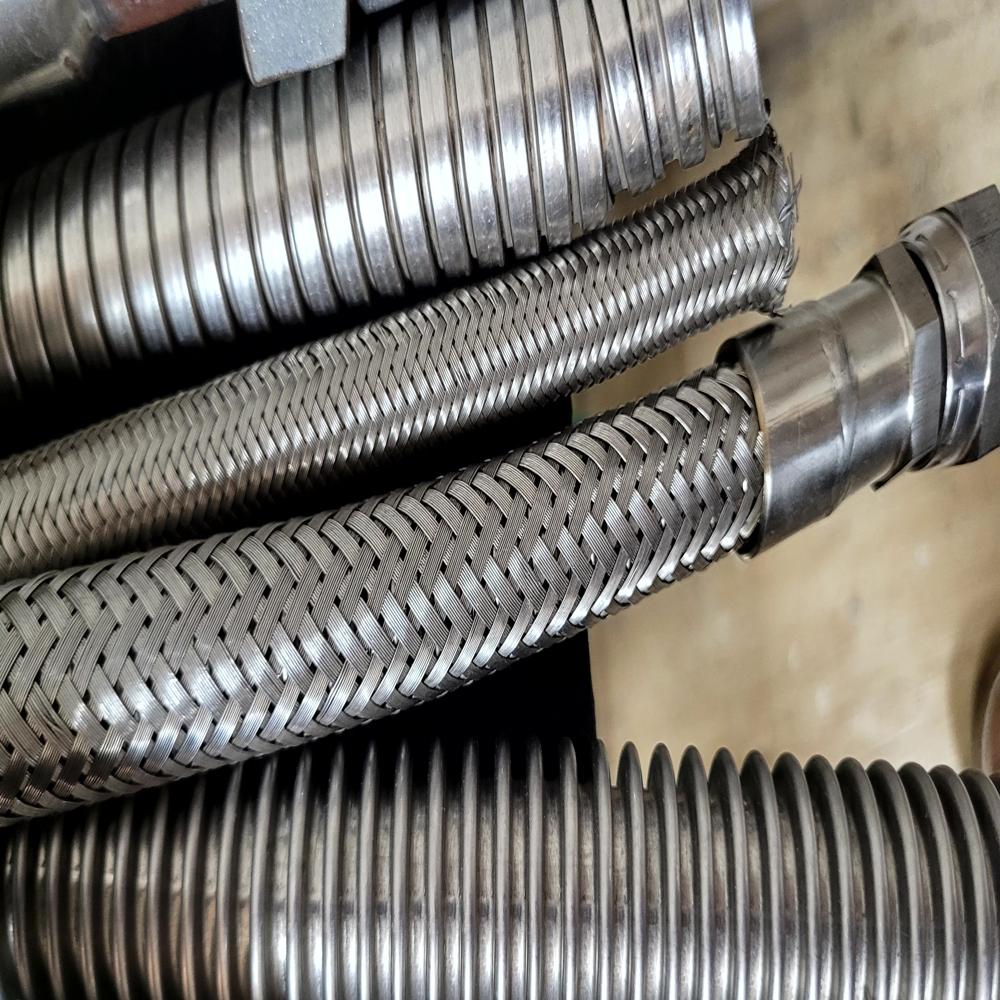
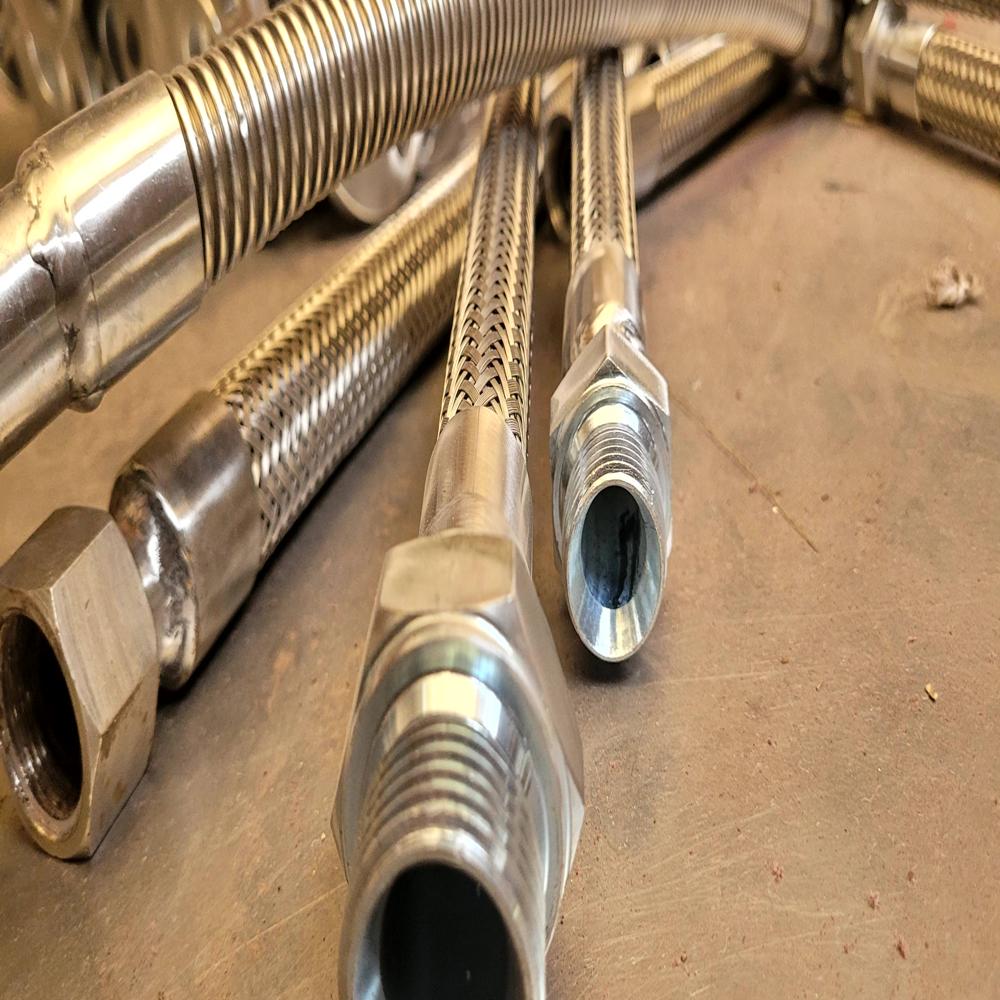
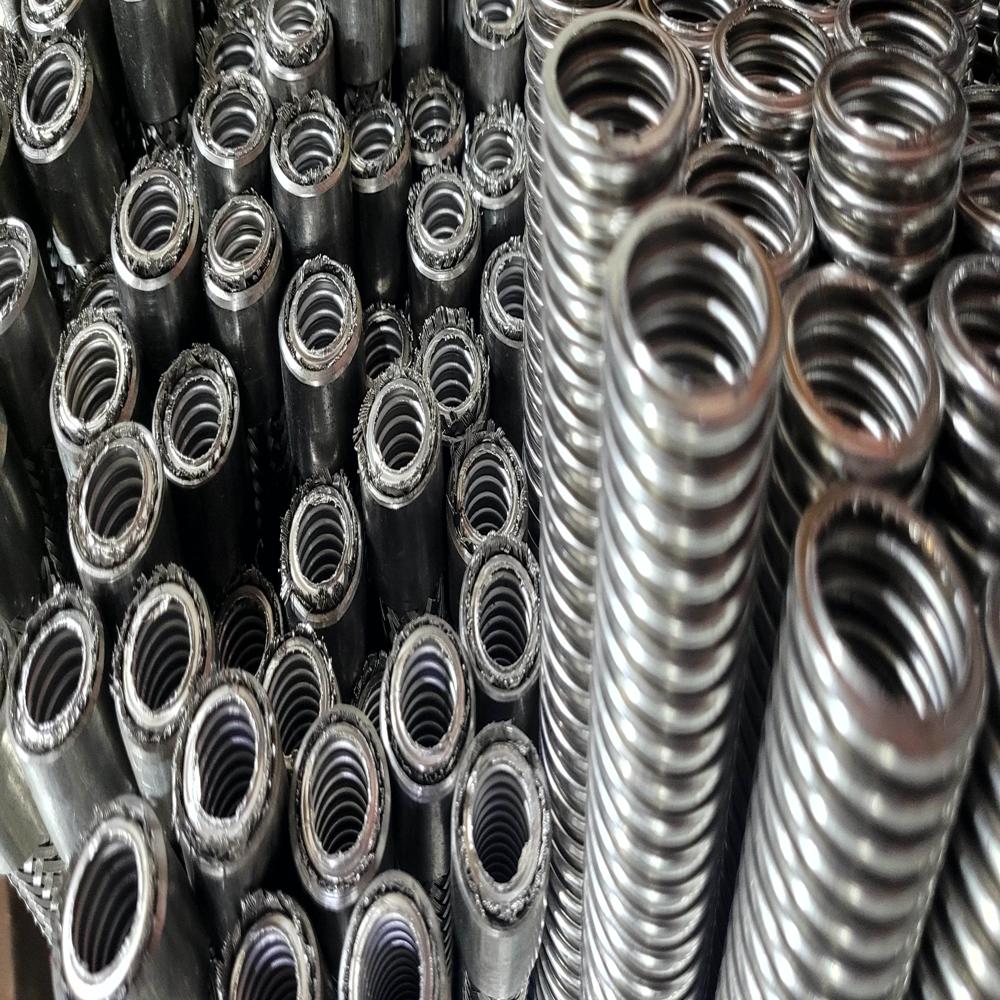
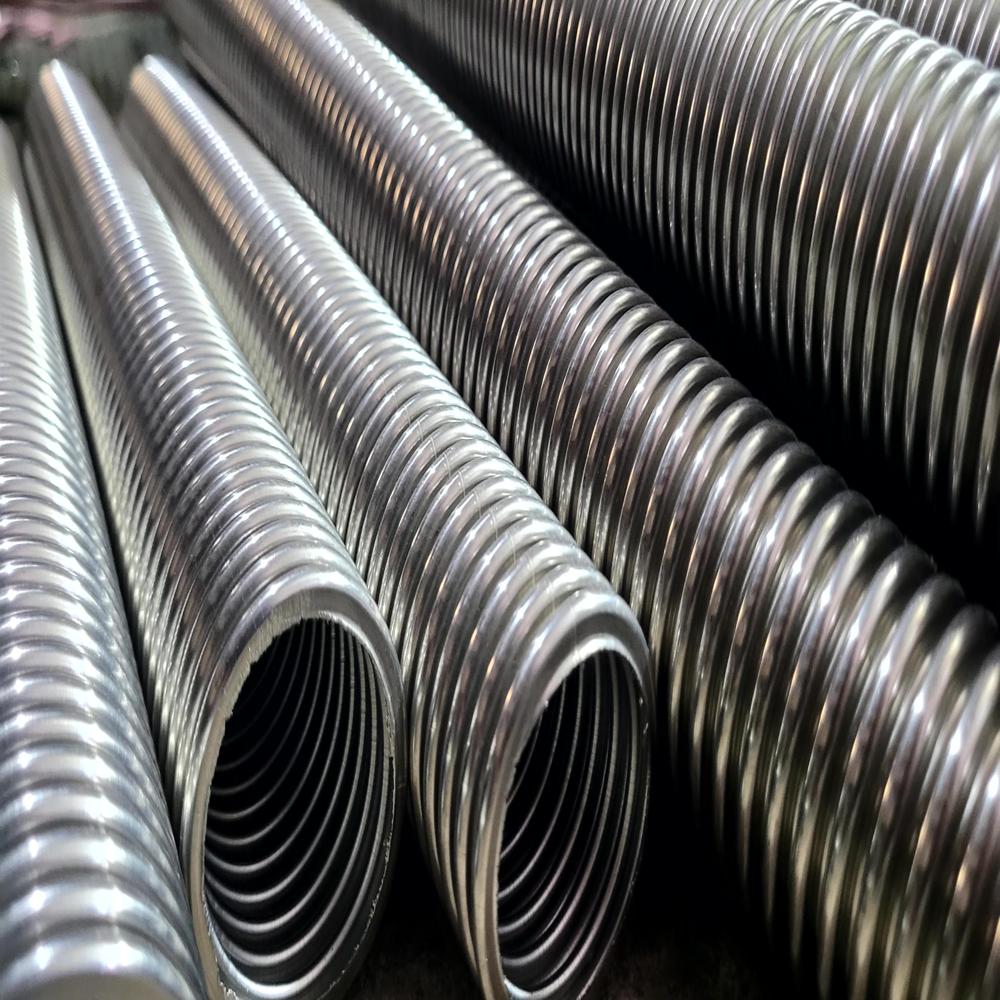
SS Corrugated Hoses are engineered for applications that demand high flexibility, strength, and durability under extreme working conditions. Manufactured from premium grades of stainless steel (SS 304, SS 316, SS 321), these hoses are designed with annular corrugations that provide excellent flexibility and allow them to absorb vibration, thermal expansion, and contraction effectively.
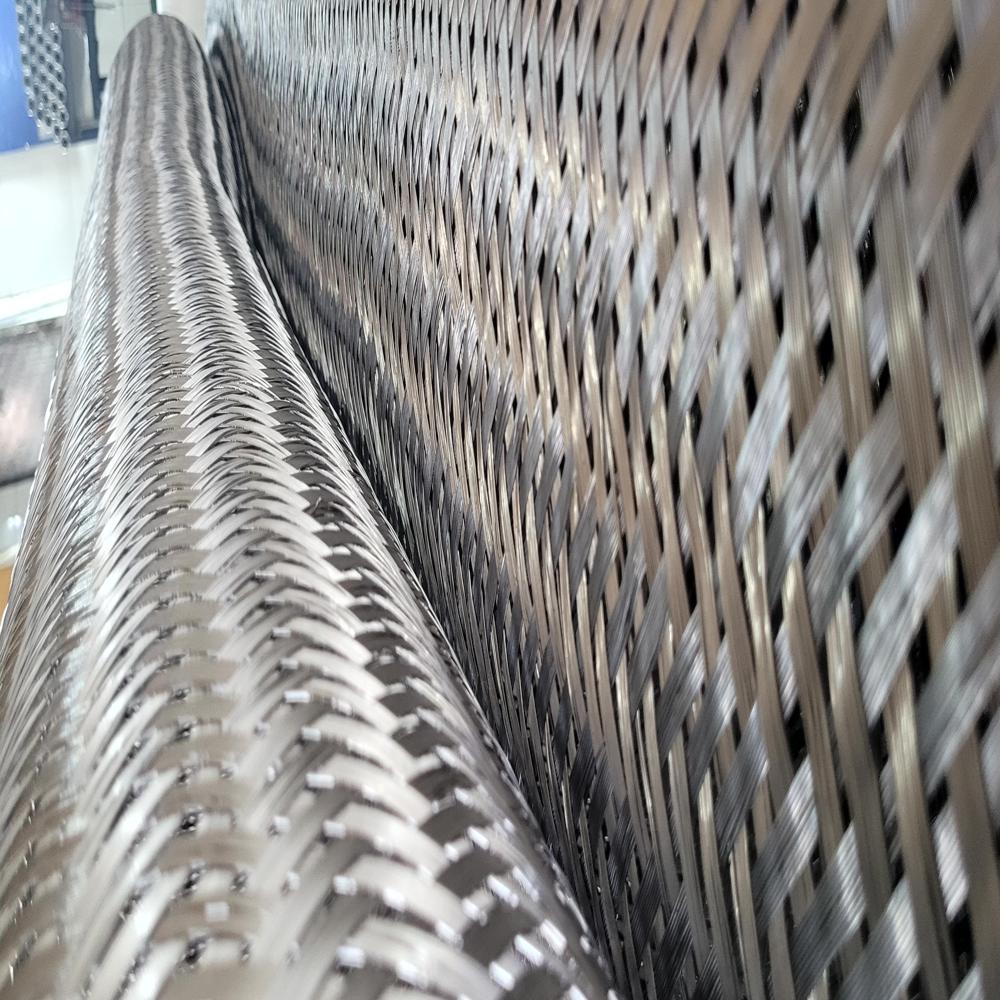
For additional strength, the hoses are reinforced with a single or double stainless steel wire braid, ensuring reliable performance under high pressure and temperature variations.
Durability and Safety Assurance
Built with extruded and vulcanized synthetic rubber, this hose delivers superior resistance to abrasion, chemicals, UV, and ozone. Reinforced with high tensile yarn and steel wire helix, it ensures reliable performance even under demanding industrial conditions.
Versatile Applications in Process Industries
With a bend radius of 150 mm and vacuum resistance up to 600 mm Hg, this hose is tailored for the transfer of acids, alkalis, and other aggressive chemicals. It supports a range of chemical media, enabling safe operations in a variety of industrial environments.
FAQ's of Chemical Transfer Corrugated Hose:
Q: How is the Chemical Transfer Corrugated Hose installed in process industries?
A: The hose is installed using flanged or threaded end fittings, made from carbon steel or stainless steel, to ensure a robust and secure connection to process equipment. Its flexible, corrugated design allows for easy routing and adaptability within facility layouts.Q: What chemicals can this hose safely transfer?
A: This hose is engineered to handle a wide array of aggressive chemicals, including acids, alkalis, and various industrial chemical compounds, thanks to its synthetic rubber construction and specialized chemical-resistant cover.Q: When is it appropriate to use this hose for chemical transfer?
A: The hose is suitable for use whenever safe, reliable transfer of corrosive or aggressive chemicals is required, especially in environments where resistance to UV, ozone, and abrasion is crucial. It operates efficiently within a temperature range of -40C to +120C.Q: Where is this hose commonly used within the chemical process industry?
A: It is commonly employed in chemical manufacturing plants, pharmaceutical facilities, petrochemical sites, and other industrial settings where the secure movement of hazardous or reactive chemicals is essential.Q: What is the manufacturing process for this hose?
A: This hose is produced through a meticulous process involving extrusion and vulcanization of synthetic rubber, reinforcing it with high tensile yarn and a steel wire helix. The result is a robust, flexible, and chemically resistant hose structure.Q: How does the hose's design benefit chemical handling operations?
A: The corrugated shape offers enhanced flexibility, while the robust reinforcement ensures high burst pressure capability and vacuum resistance. These design features reduce risk of failure during chemical transfer, improving operational safety and efficiency.Q: What standards does this hose comply with, and why is that important?
A: It complies with IS 7654:1975 standards, which establishes requirements for safety, reliability, and performance in chemical transfer hoses. Compliance ensures users receive a product capable of meeting stringent industrial quality and safety criteria.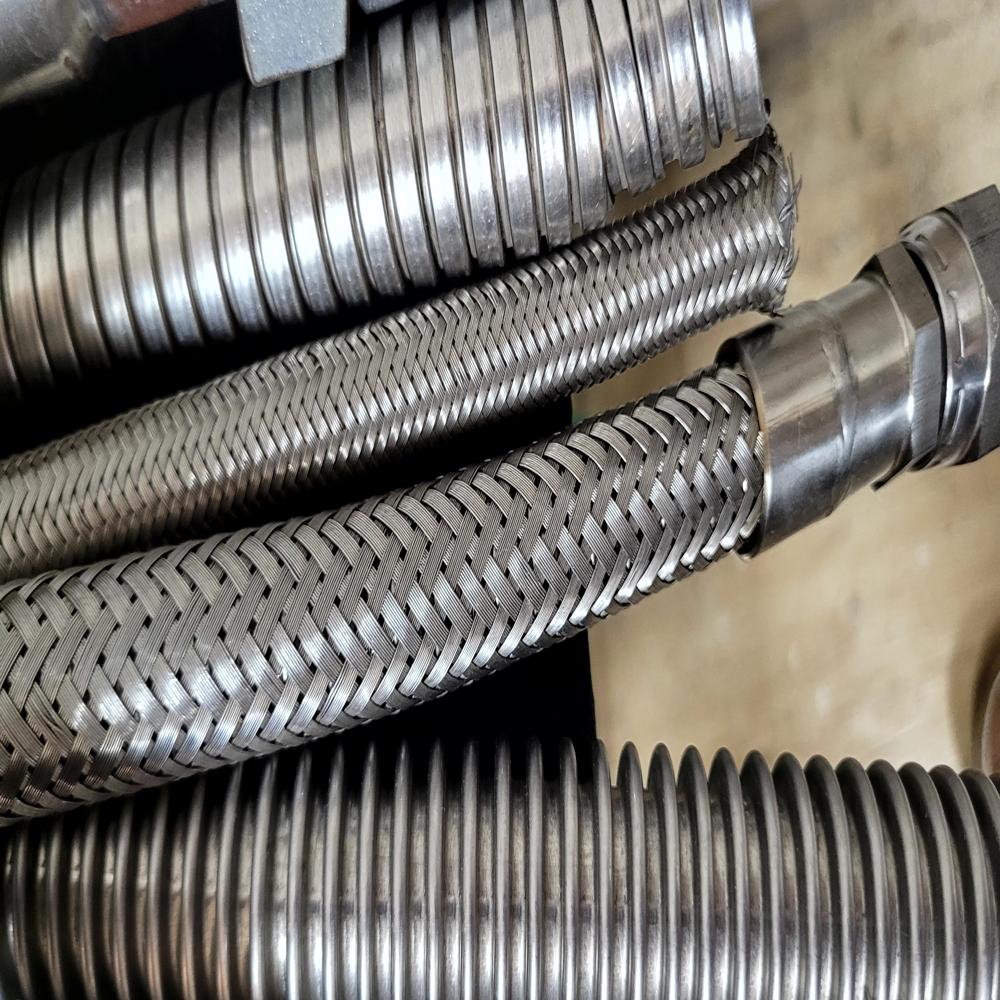
Tell us about your requirement

Price:
Quantity
Select Unit
- 50
- 100
- 200
- 250
- 500
- 1000+
Additional detail
Mobile number
Email

More Products in Hose Pipe Category
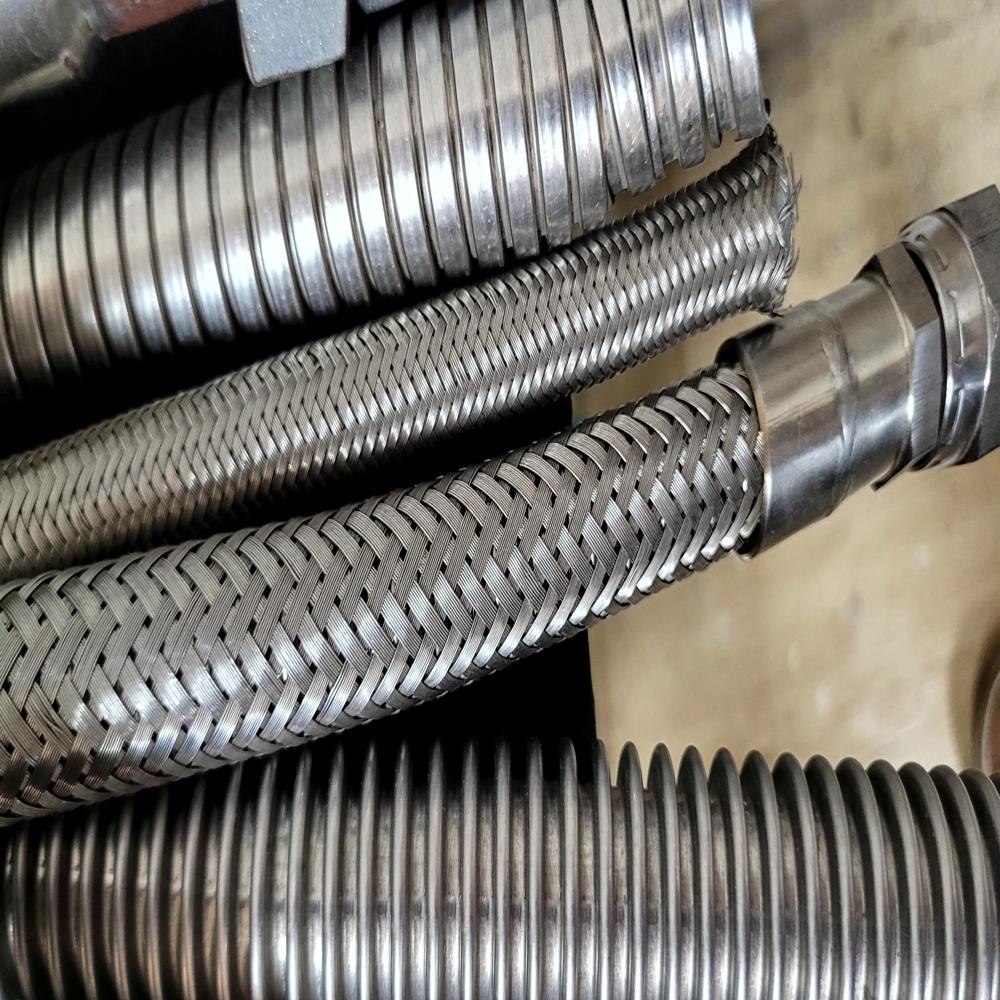
CORRUGATED STAINLESS STEEL HOSES
Price 540.0 INR / Piece
Minimum Order Quantity : 1000 Pieces
Material : Other, Stainless Steel (Grades 304, 316, 321)
Shape : Corrugated hose
Temperature : 200C to +600C
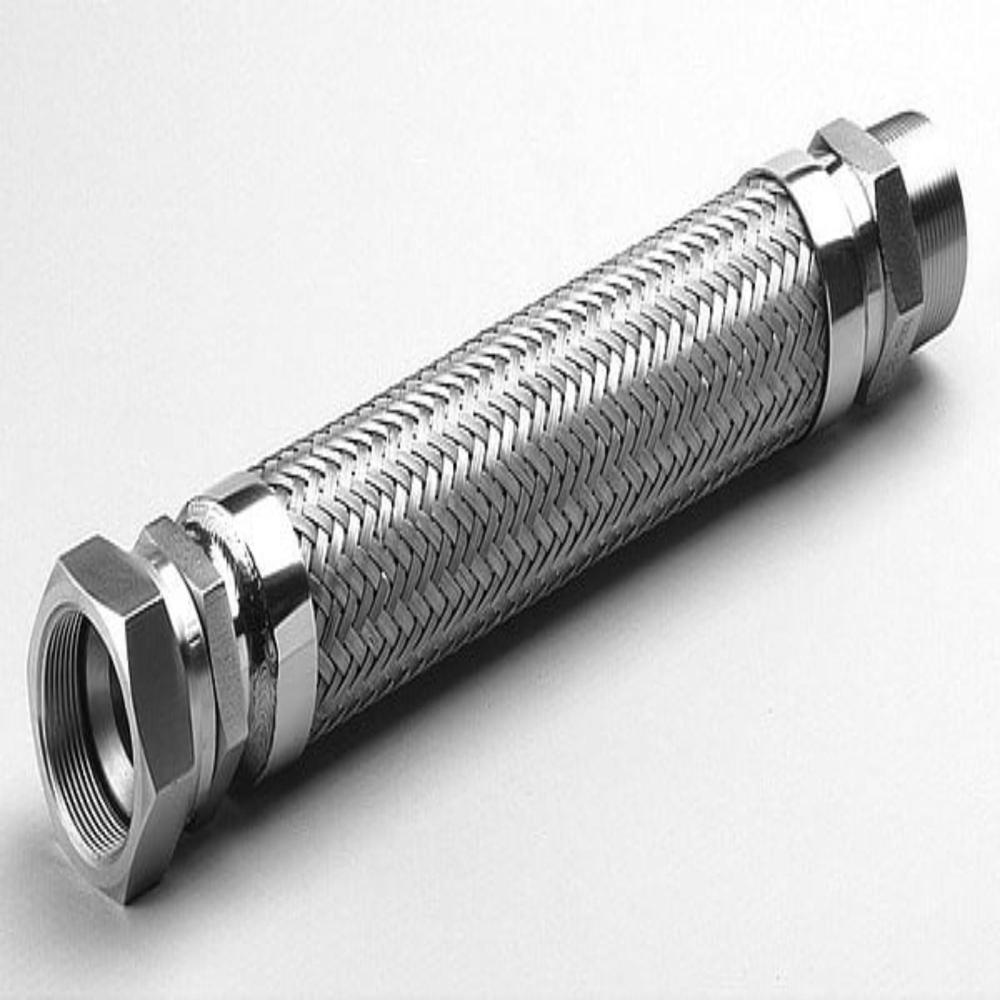
Industrial Flexible Hose
Price 250.0 INR / Piece
Minimum Order Quantity : 50 Pieces
Material : Other, Industrial grade synthetic rubber
Shape : Round
Temperature : 30C to +120C
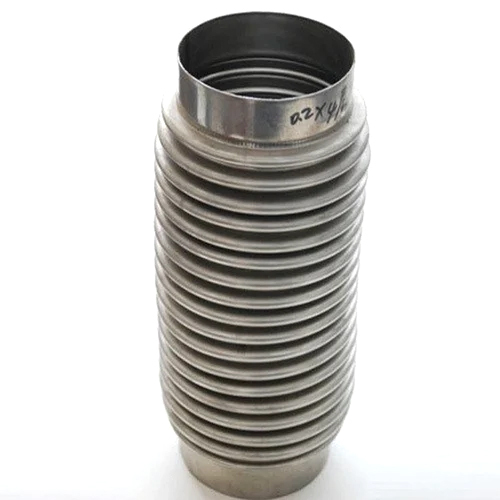
Annular corrugated hose
Price 670.0 INR / Piece
Minimum Order Quantity : 100 Pieces
Material : Metal
Shape : Round
Usage : Industrial
Temperature : 40 up to 120C Celsius (oC)
Oxygen Gas Hose
Price 340.0 INR / Piece
Minimum Order Quantity : 50 Pieces
Material : Other
Shape : Round
Usage : liquid oxygen

 Send Inquiry


Our Products


C-225, Sector-3, DSIIDC Industrial Area, Bawana,Delhi - 110039, India

Mr Rajesh
(Manager )
Mobile :07971190754
 Send Inquiry
 Send SMS
Developed and Managed by Infocom Network Private Limited.
