
Call us now :07971190754
 Send Inquiry
 Send Inquiry
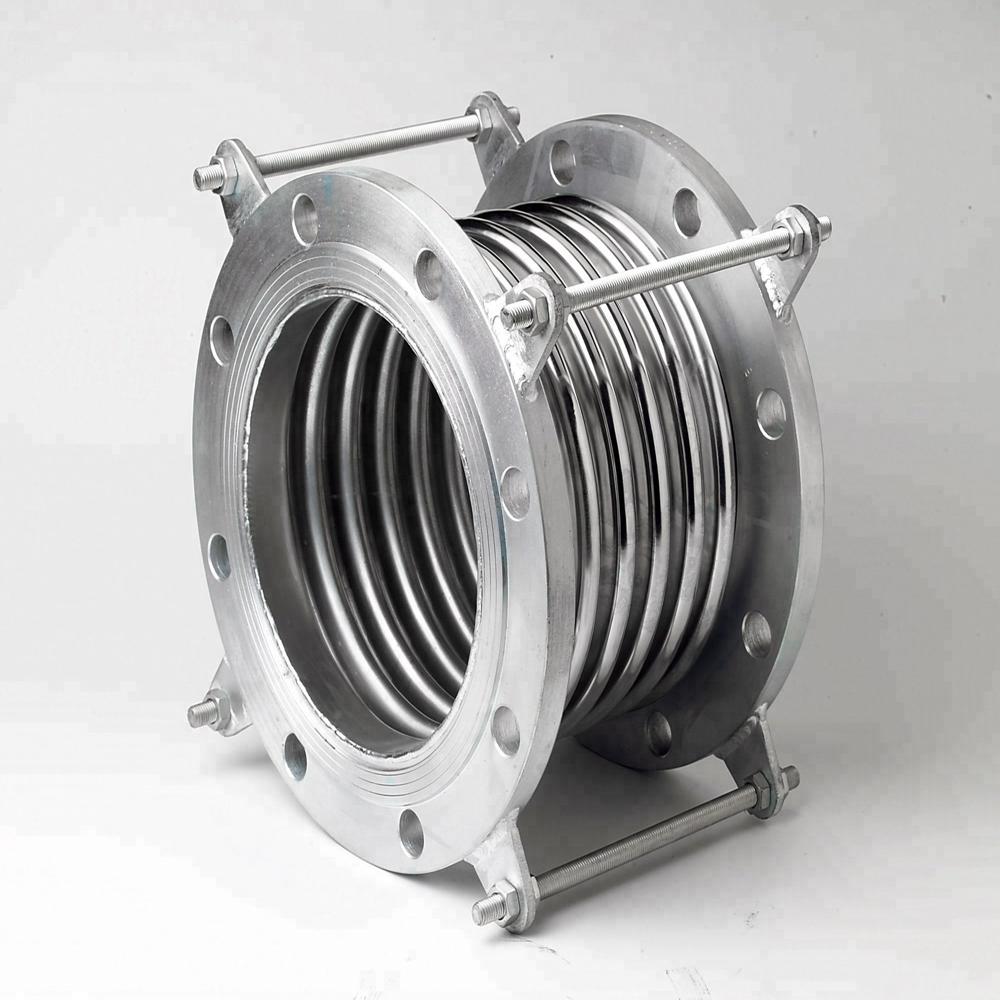
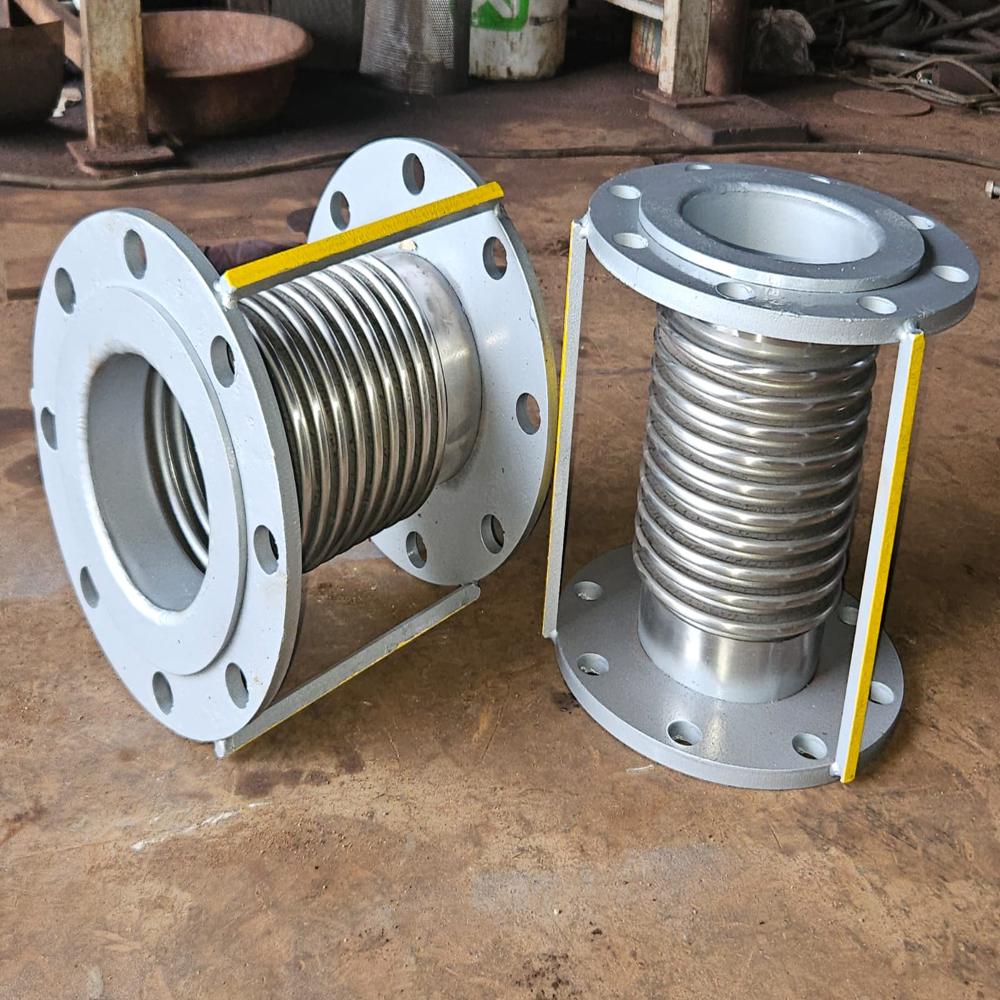
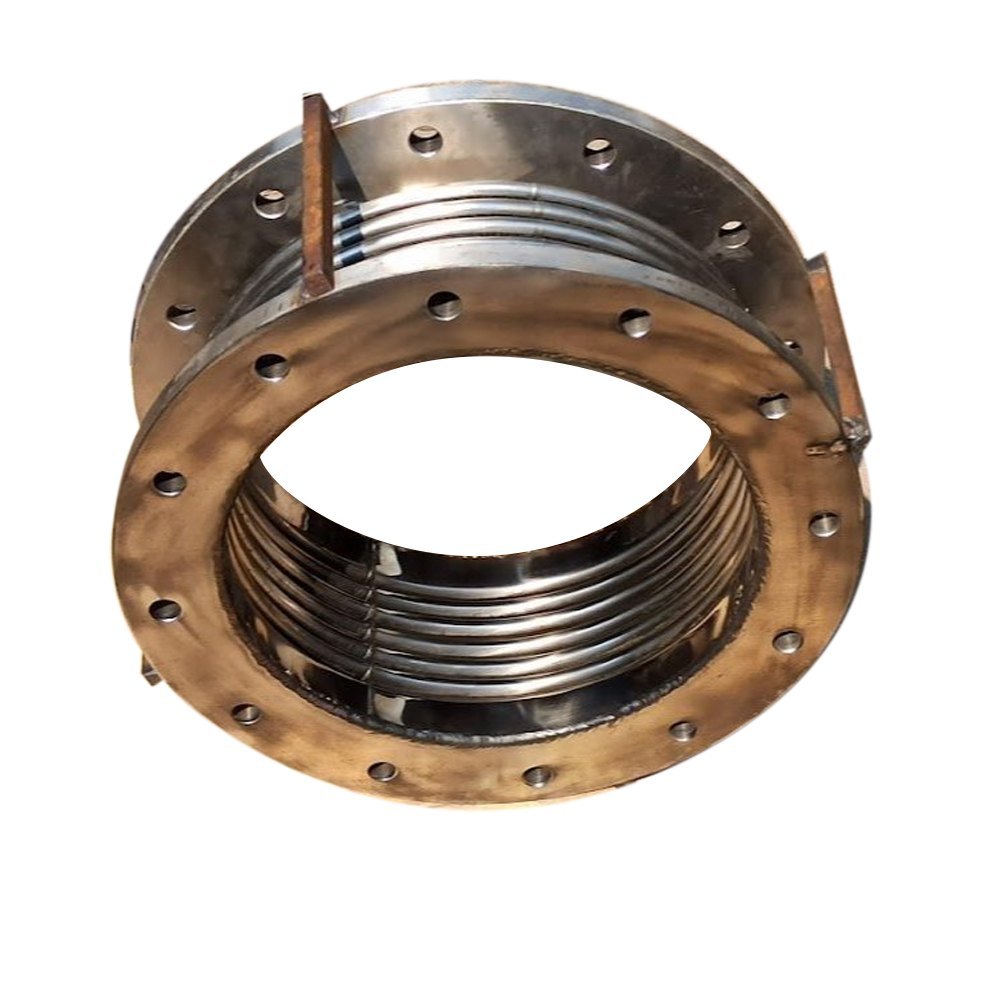
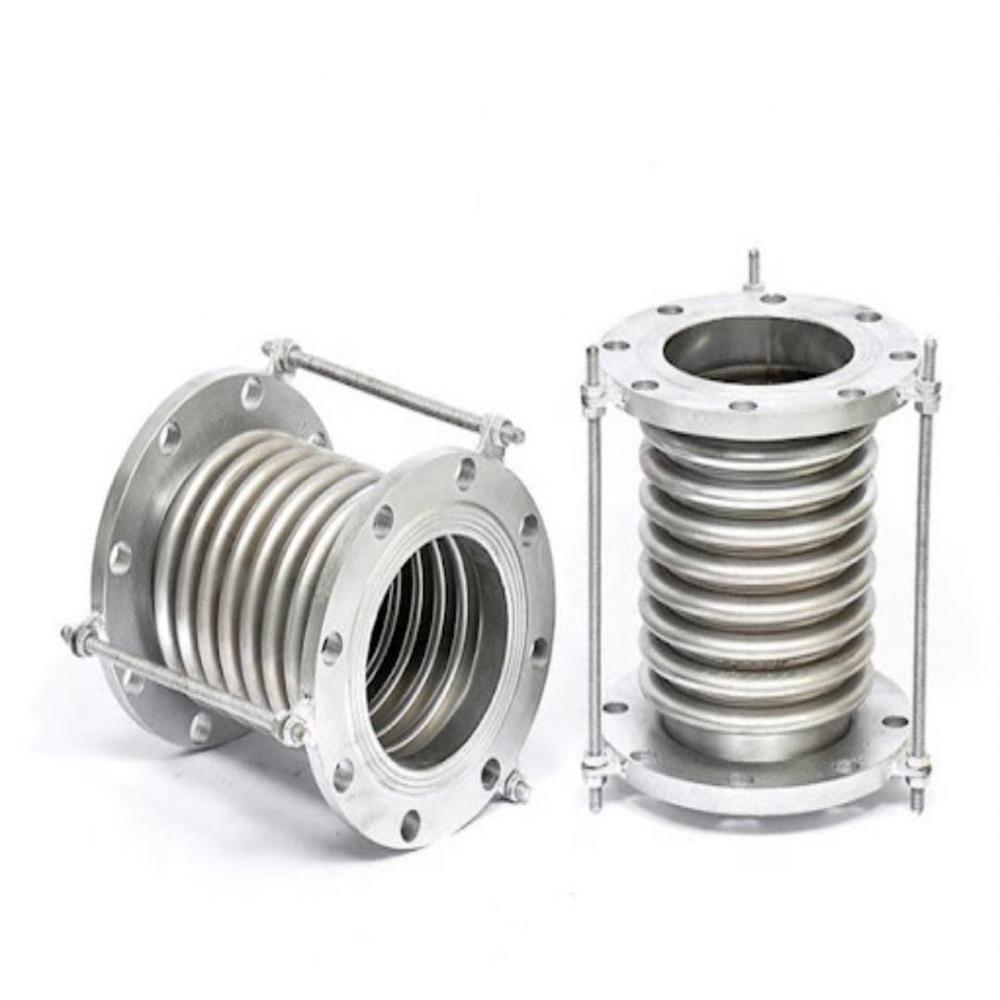
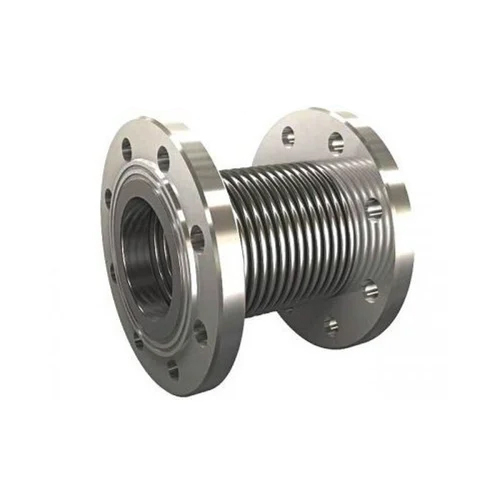
Exhaust Expansion Bellows
Price 1340.0 INR/ Piece
MOQ : 10 Pieces
Exhaust Expansion Bellows Specification
- Surface Treatment
- Polished
- Media
- Gas / Exhaust Fumes
- Max. Temperature
- 650C
- Head Code
- Round
- Flange
- ANSI / DIN Standard
- Material
- Stainless Steel
- Technique
- Longitudinal Welding
- Type
- Axial Expansion Bellows
- Connecting Type
- Flanged
- Shape
- Round
- Working Pressure
- Up to 16 bar
- Thickness
- 0.6 mm to 2.5 mm
- Size Range
- 50 mm to 1200 mm
- Corrosion Resistance
- High
- Movement Type
- Axial, Lateral, Angular
- Application
- Automotive Exhaust, Industrial Exhaust, Generators
- End Fittings
- Welded or Flanged Ends Available
- Length
- Customizable as per requirement
- Leakage Rate
- < 1 x 10 mbar l/s
Exhaust Expansion Bellows Trade Information
- Minimum Order Quantity
- 10 Pieces
- FOB Port
- NEW DELHI
- Payment Terms
- Cash Advance (CA)
- Supply Ability
- 100 Pieces Per Week
- Delivery Time
- 7 Days
- Sample Available
- No
- Sample Policy
- Free samples are available
- Packaging Details
- BUBBLE WRAP
- Main Export Market(s)
- Asia
- Main Domestic Market
- All India
- Certifications
- ISO
About Exhaust Expansion Bellows
SS Expansion Bellows Product Description
SS Expansion Bellows are highly flexible components designed to absorb thermal expansion, vibrations, and misalignments in piping systems. Manufactured from premium-grade stainless steel, these bellows ensure durability, corrosion resistance, and long service life even under high temperature and pressure conditions.
They are widely used in power plants, refineries, chemical industries, HVAC systems, boilers, exhaust systems, and pipelines to protect equipment from damage caused by expansion and contraction.
Available in axial, lateral, angular, universal, and gimbal designs, our SS Expansion Bellows can be customized with flanged ends, welded ends, or threaded connections to suit specific industrial applications.
Key Features:
-
High flexibility with excellent fatigue life
-
Withstands high pressure & temperature
-
Absorbs vibration, shock & thermal expansion
-
Corrosion-resistant stainless steel construction
-
Available in various sizes (DN 25 to DN 1200 & above)
-
Custom-built solutions for industrial applications
Versatile Movement and End Fittings
Our expansion bellows offer compatibility with axial, lateral, and angular movements, accommodating various system requirements. With options for welded or flanged ends meeting both ANSI and DIN standards, they ensure seamless integration into new or existing exhaust systems. These features provide flexibility for installation in automotive, industrial, and generator applications.
Superior Durability and Resistance
Crafted from high-quality stainless steel, these bellows deliver exceptional resistance to corrosion and extreme conditions, supporting operations up to 650C and 16 bar pressure. The polished surface is easy to maintain and prevents premature wear, ensuring a longer product lifecycle and reduced maintenance needs.
Fully Customizable Design
To meet unique project requirements, the bellows are available in shapes and sizes ranging from 50 mm to 1200 mm in diameter with a thickness between 0.6 mm and 2.5 mm. You can specify custom lengths to ensure a perfect fit and superior performance in any exhaust or ventilation application.
FAQ's of Exhaust Expansion Bellows:
Q: How are exhaust expansion bellows installed in automotive or industrial systems?
A: Exhaust expansion bellows can be installed using either welded or flanged ends that conform to ANSI or DIN standards. Depending on the system's design and application, our bellows are easy to fit into both new and retrofit projects, ensuring durability and leak-tight performance.Q: What is the primary function of these expansion bellows in exhaust applications?
A: Their core function is to absorb and compensate for axial, lateral, and angular movements caused by thermal expansion, vibration, and mechanical stress. This prevents system damage and misalignment in automotive exhausts, industrial exhausts, and generator outlets.Q: When should I consider using stainless steel expansion bellows?
A: These bellows are ideal when your exhaust system operates under high temperatures (up to 650C), corrosive environments, or requires flexibility for thermal movement. Applications include automotive, industrial, and generator exhausts where durability and tight sealing are crucial.Q: Where can these bellows be utilized most effectively?
A: They are most effective in automotive exhaust pipelines, industrial exhaust ducts, generator exhaust systems, and any application transporting gas or exhaust fumes where movement absorption and leak prevention are vital.Q: What is the process for manufacturing these expansion bellows?
A: Our bellows are precision-formed from stainless steel, utilizing longitudinal welding for strong, leak-proof seams, followed by polishing for surface protection. Each unit is tested for a leakage rate below 1 x 10⁶ mbar l/s, ensuring high-quality performance.Q: How are these bellows beneficial compared to standard rigid connectors?
A: Unlike rigid connectors, these bellows flexibly absorb movement and vibration. This reduces stress on the system, minimizes the likelihood of cracks or leaks, and extends the lifetime of exhaust components, leading to lower maintenance costs.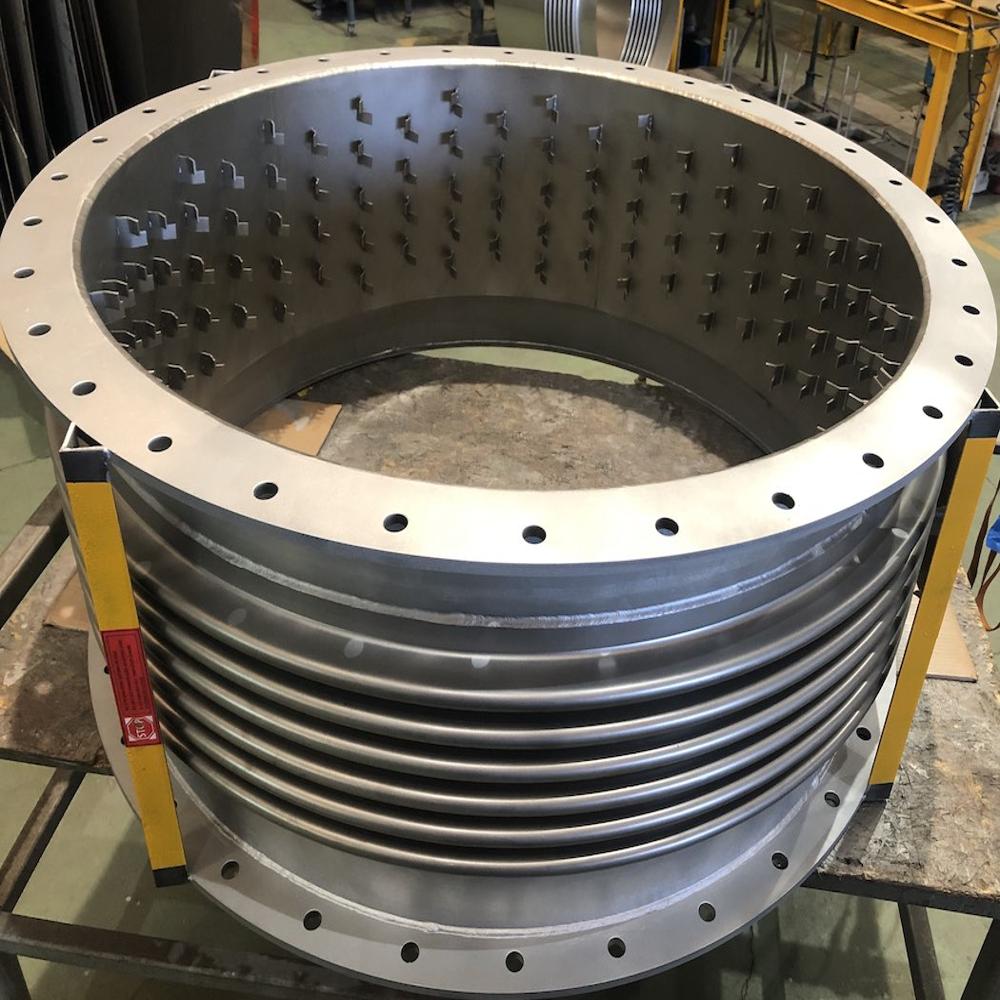
Tell us about your requirement

Price:
Quantity
Select Unit
- 50
- 100
- 200
- 250
- 500
- 1000+
Additional detail
Mobile number
Email

More Products in Expansion Joint Bellows Category
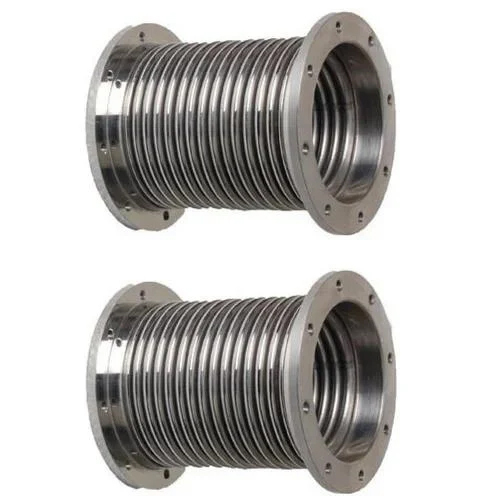
SS Bellow For Steam
Price 500.0 INR / Piece
Minimum Order Quantity : 100 Pieces
Material : Stainless Steel
Head Code : Round
Size : 3 inch
Color : Silver
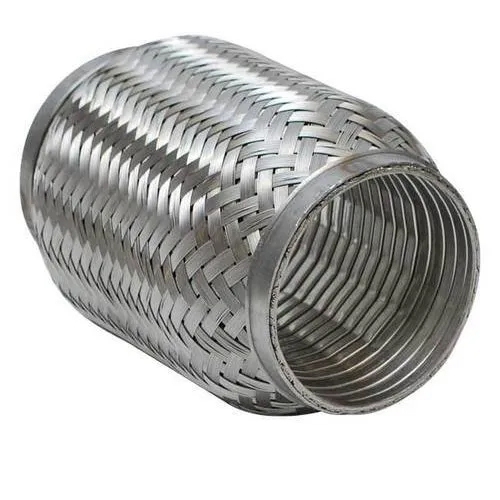
Exhaust Bellow With Interlock Liner
Price 750.0 INR / Piece
Minimum Order Quantity : 10 Pieces
Material : Stainless Steel
Head Code : Round
Size : 1.54 Inch
Color : Silver
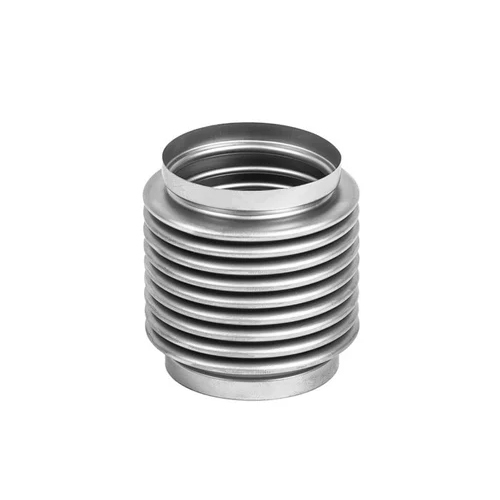
SS Bellow Without Braid
Price 1200.0 INR / Meter
Minimum Order Quantity : 50 Pieces
Material : Stainless Steel
Head Code : Round
Size : 040 Inch
Color : Silver
SS Bellow Hose
Price 1250.0 INR / Piece
Minimum Order Quantity : 10 Pieces
Material : Stainless Steel
Head Code : Round
Size : Various available
Color : Silver

 Send Inquiry


Our Products


C-225, Sector-3, DSIIDC Industrial Area, Bawana,Delhi - 110039, India

Mr Rajesh
(Manager )
Mobile :07971190754
 Send Inquiry
 Send SMS
 Call Me Free
Developed and Managed by Infocom Network Private Limited.
